Stefania ORLANDO
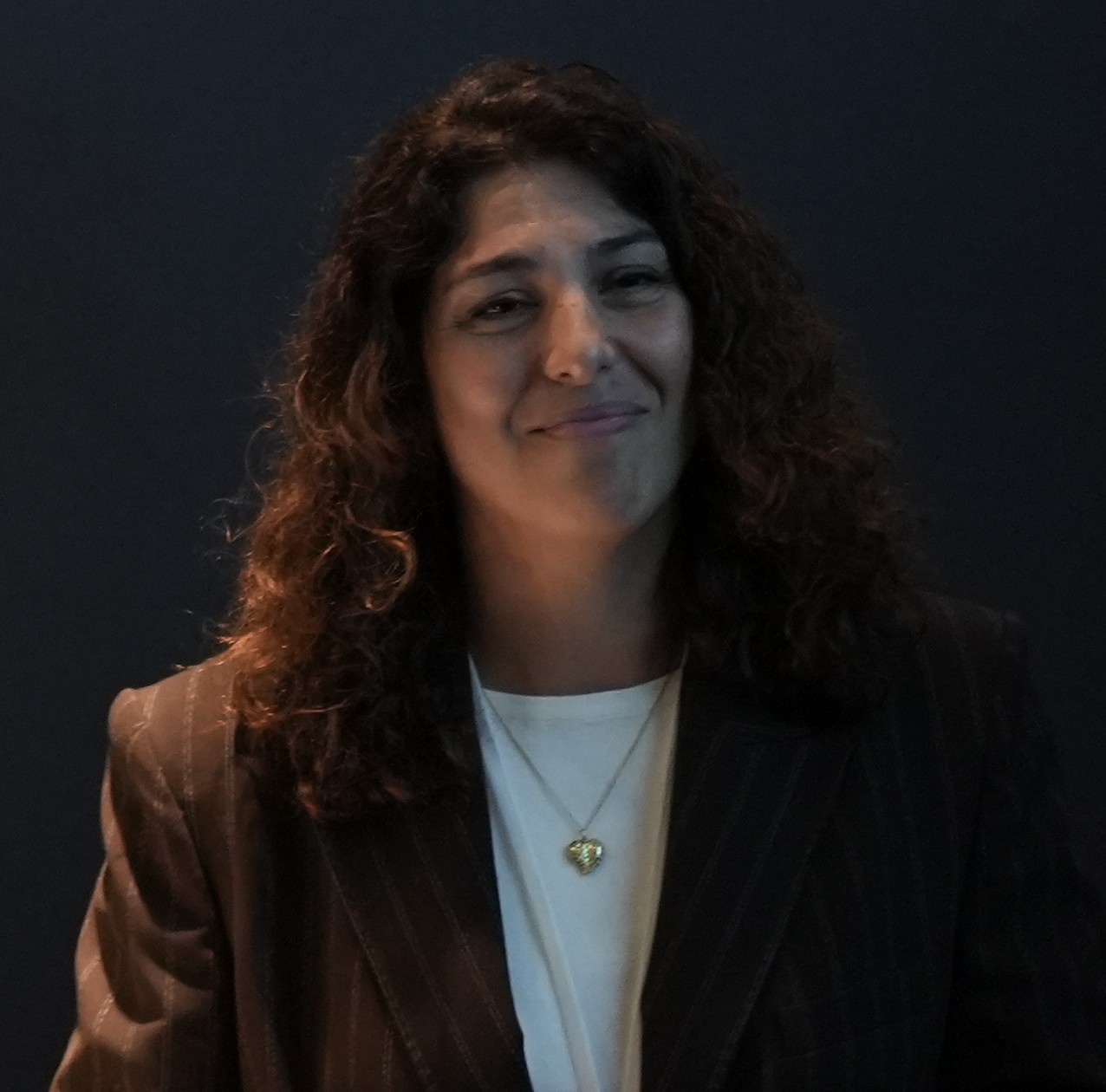
Stefania Orlando, is Head of the Women's Radiology Section at Hospital Universitari Vall d'Hebron in Barcelona, one of Spain's largest academic medical centres. She also serves as Principal Investigator in the Molecular Imaging and Therapy research area at the Vall d'Hebron Institute of Research (VHIR), contributing to translational projects that bridge diagnostic imaging with therapeutic applications.
Dr Orlando specialises in breast imaging, with particular expertise in contrast-enhanced mammography (CEM), automated 3D breast ultrasound, and image-guided interventional procedures. Her clinical work focuses on optimising diagnostic pathways for breast cancer, including the implementation of one-stop clinic models that integrate functional imaging with same-day biopsy to reduce patient visits and diagnostic delays. She has presented on the value of CEM in evaluating mammographic microcalcifications, demonstrating how combined morphological and enhancement analysis can improve biopsy positive predictive value and reduce unnecessary procedures.
Beyond breast imaging, Dr Orlando contributes to multidisciplinary oncology programmes at Vall d'Hebron, collaborating with surgical, medical and radiation oncology teams. Her research at VHIR encompasses molecular imaging approaches that support precision diagnostics and therapy monitoring. She has also been affiliated with Capio Hospital General de Catalunya, broadening her clinical practice across the Barcelona healthcare network.
Dr Orlando is an active participant in international breast imaging education. She has served as faculty at European Society of Breast Imaging (EUSOBI) industry workshops, delivering sessions on CEM implementation and biopsy techniques to radiologists across Europe. She regularly presents at international congresses on topics spanning breast cancer diagnosis, advanced imaging protocols and integrated care pathways.
Her academic output includes publications in peer-reviewed journals and contributions to national and international conferences. Her work on 3D automated breast ultrasound and contrast-enhanced mammography reflects a commitment to advancing non-invasive diagnostic tools that maintain accuracy while improving patient experience within busy academic radiology departments.
Video related
CEM & CEM biopsy : A game changer in diagnostic pathway
Tags : Industry Stefania ORLANDO Symposium
Dr Stefania Orlando, Head of Women’s Radiology, Hospital Vall d’Hebron, Barcelona, Spain
Copyright © 2026 - BCU