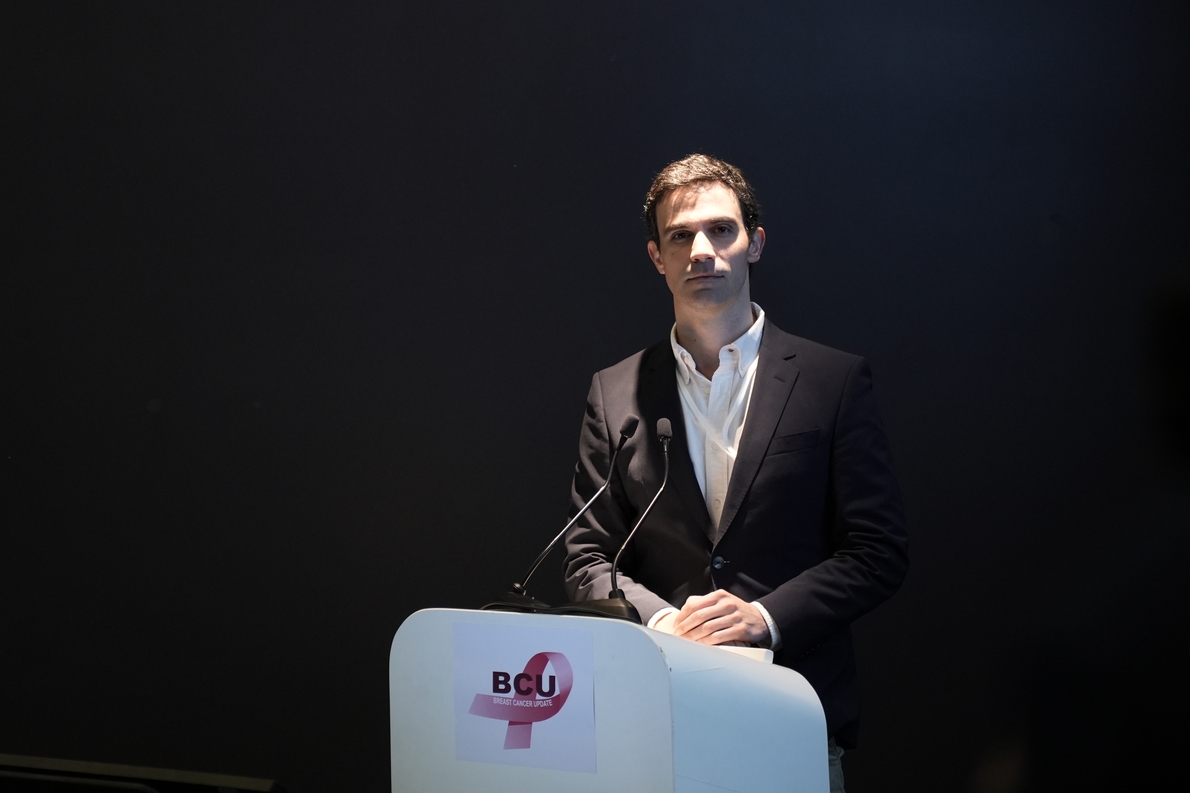
Chest CT is not a substitute for Mammography
Marie-Pierre Revel urges clear boundaries in breast cancer screening
Professor Marie-Pierre Revel, head of radiology at Cochin Hospital and principal investigator of the CASCADE lung-screening trial, warned against any attempt to use low-dose chest CT as a back-door breast exam. “It is scientifically fawed, clinically dangerous and legally reckless,” she said.
A Voxel-sized problem
To detect the millimetre-scale nodules that signal early lung cancer, CT protocols narrow the field of view and shrink the voxel size. “That very optimisation prevents complete visualisation of the breast,” Revel explained. Even if we did see part of the gland, the low-dose, unenhanced technique lacks the contrast resolution needed to spot breast cancers reliably.
Evidence from Cascade
Revel’s own data underline the point. In CASCADE, 4,000 high-risk smokers have undergone annual low-dose chest CT. Four participants have so far been diagnosed with breast cancer. “Not a single case was picked up by the thoracic scan,” Revel noted. “Every diagnosis came from routine mammography.”
Protecting Patients and Radiologists
"The potential consequences of overlooking breast cancer during a low-dose chest CT are significant," Dr. Revel warns. "Missed diagnoses can have devastating consequences for patients' health, and radiologists could face legal repercussions if a breast cancer is missed due to the limitations of this technology."
Back to basis
We should reserve low-dose chest CT for lung-cancer screening in high-risk smokers, and reserve mammography—tomosynthesis, ultrasound or MRI when indicated—for breast-cancer screening. Each modality has a role. Let’s keep them distinct, evidence-based and patient-centred.