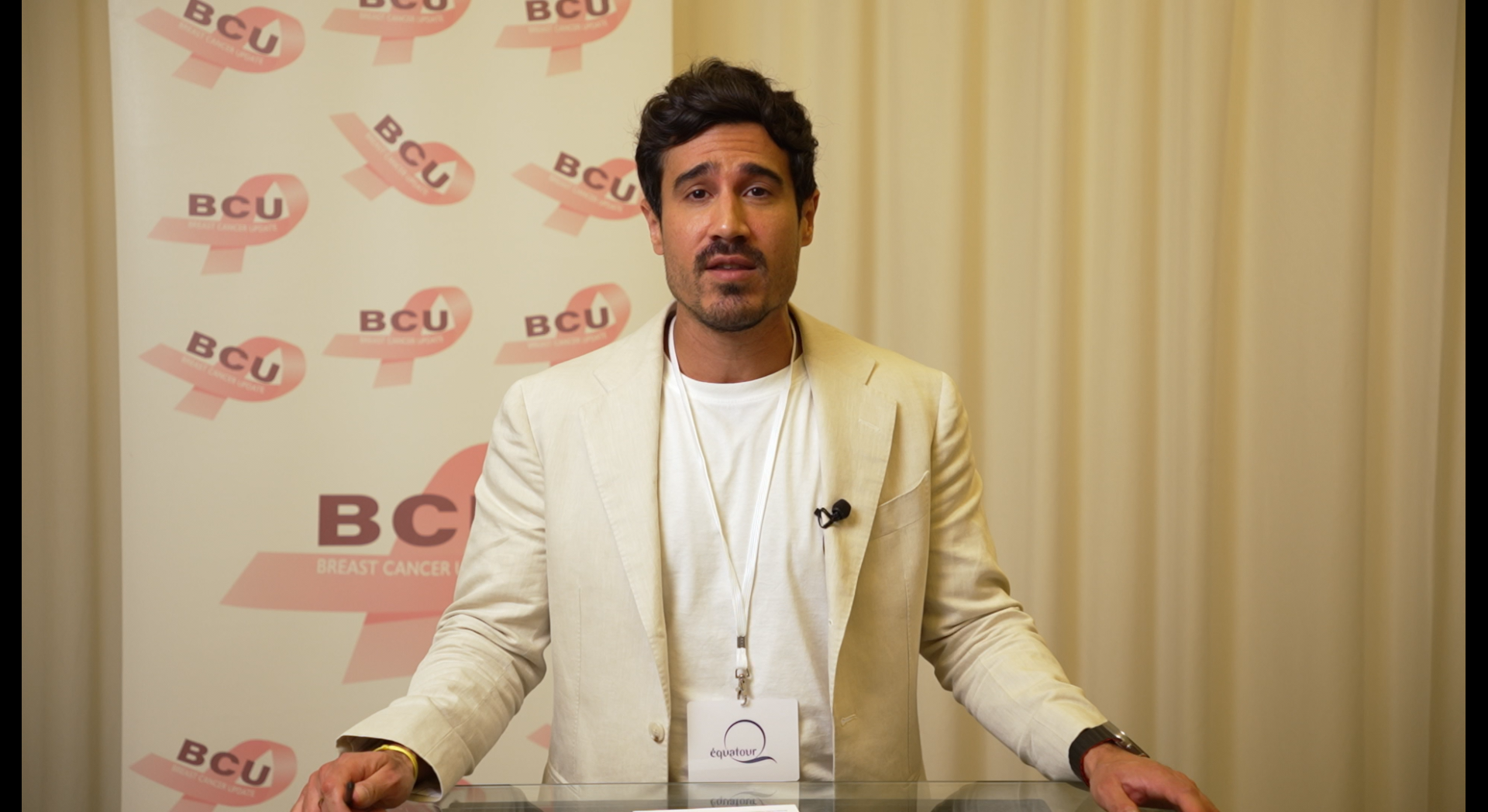
Blurred Lines: Specialization in Breast Surgery
A Changing Landscape
The traditional boundaries between specialties, particularly in breast surgery, are becoming increasingly blurred. This shift is driven by the multidisciplinary nature of modern healthcare, where individuals from
diverse backgrounds contribute to patient care.
"It depends on your health system," explains Yazan Masannat, emphasizing that the division of labor varies significantly across regions. In the UK, for example, radiologists remain largely responsible for radiological diagnostics and procedures like biopsies. While surgeons focus primarily on surgical interventions, some incorporate diagnostic scans into their practice to aid in tumor identification and surgical planning.
Surgeon Backgrounds Matter
The speaker highlights that breast surgeons themselves come from diverse surgical
backgrounds, influencing their comfort level with imaging techniques. Those trained in gynecology are often more familiar with scans due to their extensive use in that field. Conversely, surgeons with a
general surgery or plastic surgery background may have less experience.
No One-Size-Fits-All Approach
Ultimately, Yazan Masannat stresses that there is no single model for practice in breast surgery. Factors like location and health system structure play crucial roles in shaping the division of labor between
radiologists and surgeons. The approach should be tailored to each individual's training, experience, and the specific needs of their patients.