
Is there a list of essential medications for breast cancer?
Jospeh GLIGOROV
oncologist, Paris, France
oncologist, Paris, France
New User? Click here to register
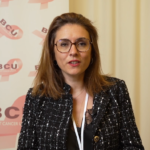
Artificial intelligence is rapidly transforming breast cancer screening workflows, with evidence demonstrating that AI combined with radiologist expertise yields optimal outcomes. At Institut Gustave Roussy in Villejuif, France—one of Europe's leading comprehensive cancer centers—Dr. Julia Arfi-Rouche, a specialist in diagnostic and oncologic imaging, has integrated MammoScreen into clinical practice to enhance detection accuracy, reduce workload, and improve patient triage. Dr. Arfi-Rouche practices both at Gustave Roussy and in private practice in the Greater Paris area, bringing dual perspectives on AI deployment across academic and community settings.
MammoScreen addresses four critical functions: triage and prioritization, detection and characterization, workload reduction, and temporal analysis. The system sorts worklists to present the most suspicious cases first, identifies subtle findings difficult for the human eye to detect, automates identification of clearly normal cases, and compares current images with prior examinations with greater accuracy than manual review.
The user interface displays essential information instantly, linking each finding directly to the specific lesion. Color-coded confidence scoring helps clinicians focus attention: green indicates benign confidence (scores 1–2 on a 10-point scale), while red signals high suspicion (scores 9–10) with reported zero false positives at the extreme ends.
In the landmark Masai trial, AI-supported single reading increased breast cancer detection by 29% and reduced radiologist workload by 44% without increasing recall rates. MammoScreen demonstrated the ability to detect cancers one to two years earlier than prior screenings—in a retrospective US study, the system identified 27% of cancers one year earlier and 21% two years earlier.
Integration of prior images through a unique prior-based neural network increased specificity, reducing false positives by 20% overall and by 9% across all breast densities when historical examinations were included.
Dr. Arfi-Rouche's cases illustrate MammoScreen's practical utility: confirming subtle lesions invisible to naked-eye review in follow-up scenarios, correctly characterizing challenging dense tissue, flagging technically insufficient images, supporting appropriate workup in palpable mass discrepancies, and correctly identifying benign lesions such as hamartomas. In one indeterminate case of diffuse lobular carcinoma where AI struggled, contrast-enhanced mammography revealed the diagnosis—highlighting the continued role of radiologist judgment.
MammoScreen delivers measurable clinical value: reduced missed detection, limited misinterpretation, identification of additional lesions, and reading time savings averaging 35% (reaching 50% for benign cases). In low-density breasts, the high negative predictive value helps avoid unnecessary ultrasounds; in dense breasts, appropriate ultrasound indications remain preserved.
As AI transitions from research concept to clinical standard, platforms like MammoScreen demonstrate that the technology's role is not to replace radiologists but to amplify their capabilities.
Keywords: MammoScreen AI breast cancer screening, Julia Arfi-Rouche radiologist Villejuif, Institut Gustave Roussy breast imaging, AI mammography France, MammoScreen Therapixel, breast cancer detection AI, mammography workload reduction, prior-based neural network breast, Masai trial AI screening, breast density AI assessment, DICOM structured report mammography, breast cancer early detection AI, radiologist AI assistant, MammoScreen clinical cases, breast screening standard of care.
Text generated by AI based on an exclusive interview, revised and reviewed by



Yazid BELKACEMI
Radiotherapist, Créteil, France

Luc ROTENBERG
Copyright © 2026 - BCU